



Cuando la luz comenzó a cambiar la medicina
Escribe Luis Vargas, Periodista
Durante décadas, el láser fue visto como una tecnología ligada casi exclusivamente a la medicina estética. Su nombre evocaba rejuvenecimiento facial, eliminación de manchas o procedimientos cosméticos. Sin embargo, esa percepción ha quedado atrás. Hoy, el láser ocupa un lugar cada vez más importante en la práctica clínica porque responde a una necesidad permanente de la medicina: tratar con mayor precisión, preservar el tejido sano y reducir el impacto de la intervención sobre el paciente.
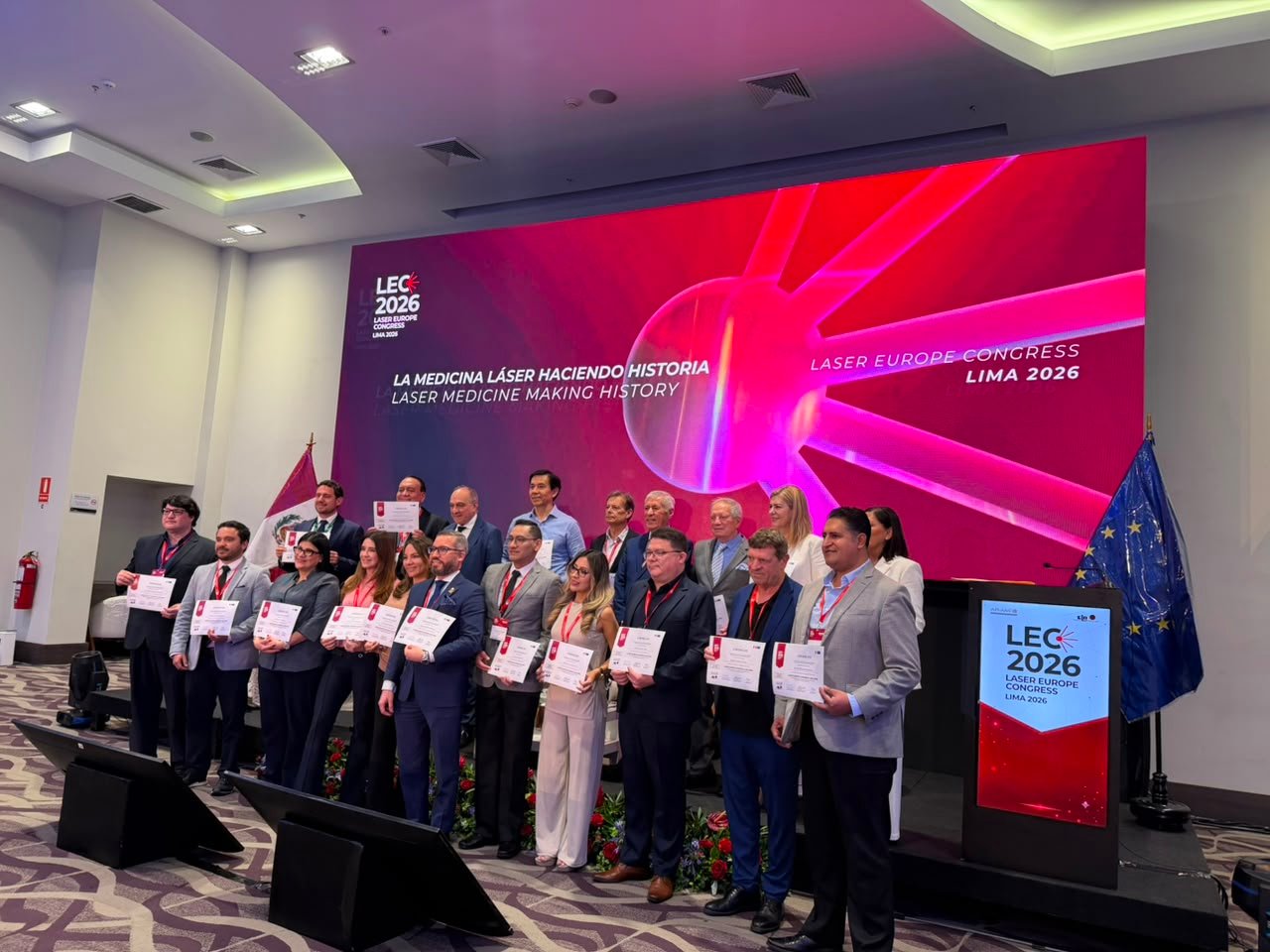
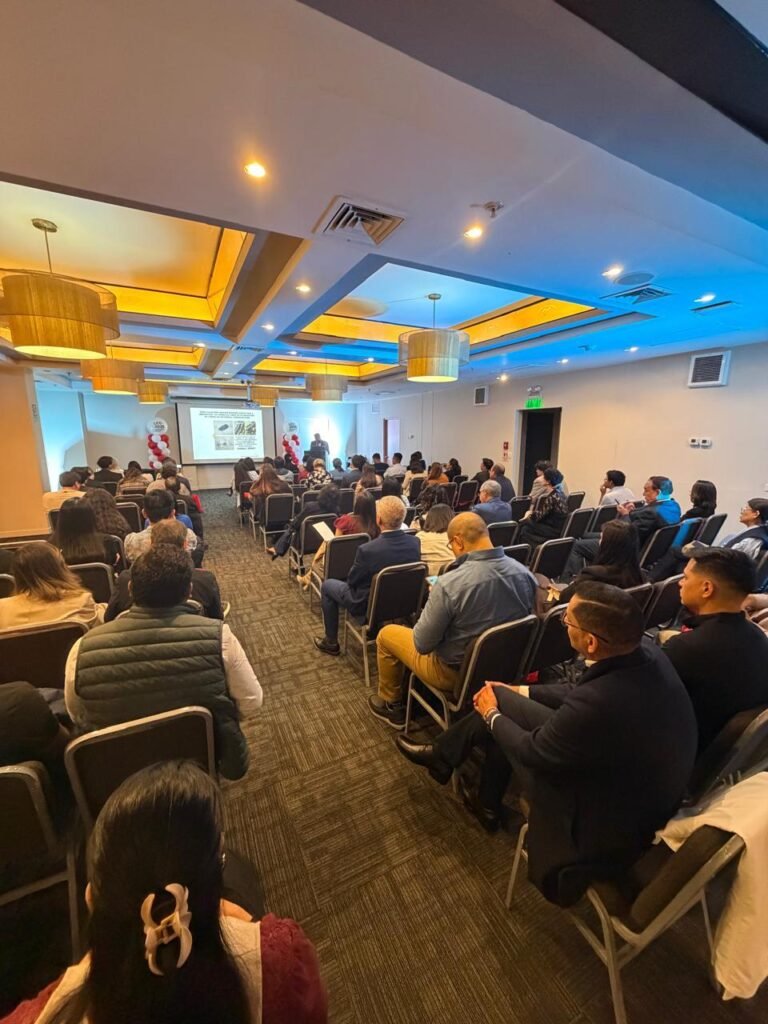
Esa transformación quedó claramente expuesta durante el Laser Europe Congress Lima 2026, un encuentro que reunió en el Perú a algunas de las principales autoridades mundiales en medicina láser. Más que presentar nuevos equipos, el congreso mostró cómo una misma tecnología ha comenzado a integrarse en especialidades muy diferentes, unidas por un objetivo común: ofrecer tratamientos más seguros, menos invasivos y con una recuperación más rápida.
Hoy el láser forma parte de la práctica cotidiana en la urología, donde permite tratar cálculos renales y la hiperplasia prostática con menor sangrado; en ginecología, donde facilita procedimientos de alta precisión preservando estructuras delicadas; en oftalmología, donde transformó el tratamiento de enfermedades de la retina y los defectos refractivos; en oncología, donde determinadas aplicaciones permiten destruir lesiones con un daño mínimo sobre los tejidos vecinos; y también en dermatología, cirugía vascular, otorrinolaringología, odontología y medicina regenerativa.
Cada una de estas aplicaciones responde a un principio sencillo pero profundo: cuanto menor sea la agresión al organismo, mayores serán las posibilidades de recuperación del paciente.
Ese fue el verdadero hilo conductor del congreso.
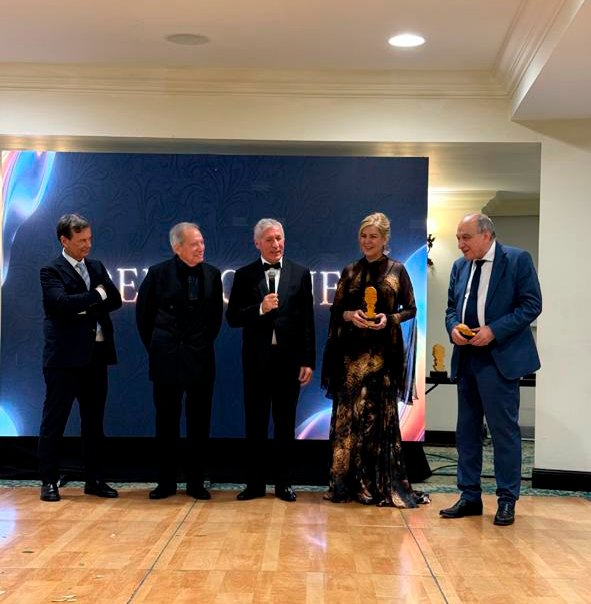
Las conferencias del profesor Mario Trelles, pionero europeo de la medicina láser; del doctor Rafael Serena, presidente de la European Laser Association; del cirujano británico Vasant Oswal; de la doctora Virginia Benítez y de numerosos especialistas internacionales coincidieron en una idea fundamental. La innovación no consiste únicamente en desarrollar dispositivos más sofisticados. Consiste en comprender mejor cómo interactúa la energía luminosa con los distintos tejidos humanos para obtener mejores resultados clínicos.
En medicina, la tecnología solo adquiere valor cuando mejora la vida de una persona.
Un procedimiento menos invasivo significa menos dolor. Una incisión más precisa puede traducirse en una recuperación más rápida. Una menor lesión de los tejidos reduce complicaciones y permite que el paciente recupere antes sus actividades. Detrás de cada avance tecnológico existe siempre una historia humana.
La elección de Lima como sede del congreso también tuvo un significado especial.
Por primera vez desde su fundación, la European Laser Association decidió realizar su congreso oficial fuera de Europa. La decisión reflejó el reconocimiento de una comunidad científica que ha encontrado en el Perú un espacio de formación, investigación e intercambio académico con creciente proyección internacional.
En ese proceso ha sido determinante el trabajo del Dr. Fernando Chávarri Michaels, presidente de la Asociación Peruana de Láser Médico Quirúrgico y director de la Clínica Chávarri. Durante años ha impulsado la formación especializada y el desarrollo de la medicina láser en el país, promoviendo vínculos permanentes con centros científicos de Europa y América.
La organización del encuentro, liderada por Renato Chávarri, permitió reunir a universidades, sociedades médicas, investigadores y empresas desarrolladoras de tecnología en un escenario donde el intercambio científico tuvo el mismo protagonismo que la innovación tecnológica. El respaldo institucional del Colegio Médico del Perú confirmó la importancia alcanzada por un congreso que hoy sitúa al país entre los principales referentes latinoamericanos en esta disciplina.
Quizá la conclusión más importante del encuentro no sea que el láser reemplazará al bisturí. Esa sería una simplificación.
Lo que realmente está ocurriendo es más interesante. La medicina dispone ahora de una herramienta capaz de ampliar las posibilidades del tratamiento, permitiendo al médico intervenir con mayor precisión y al paciente recuperarse con menos sufrimiento. El conocimiento clínico continúa siendo el factor decisivo; la tecnología potencia ese conocimiento, pero nunca lo sustituye.
Y la experiencia expuesta por el Dr. Johan Cabrera, urólogo del Hospital Nacional Guillermo Almenara, quien tras su brillante participación en el Congreso de láser representa hoy una nueva etapa en la urología moderna: una tecnología que reemplaza procedimientos tradicionales por intervenciones de alta precisión, menos invasivas y con una recuperación mucho más rápida, mejorando la calidad de vida de los pacientes.
Las exposiciones del Congreso, también destacan la participación de La Dra. Virginia Benites, presidenta de la Sociedad Española de Láser Médico Quirúrgico y reconocida experta en tratamientos con dispositivos basados en energía, compartió los más recientes avances del láser médico, destacando cómo esta tecnología está transformando los procedimientos clínicos con mayor precisión, seguridad y mejores resultados para los pacientes en diversas especialidades.
La historia de la medicina está marcada por instrumentos que modificaron la práctica médica: el estetoscopio, la anestesia, los antibióticos, la tomografía o la resonancia magnética. El láser parece recorrer ese mismo camino. Ya no es una innovación reservada para unos pocos procedimientos. Se está convirtiendo en una tecnología transversal que conecta múltiples especialidades y redefine la forma en que entendemos la cirugía y los tratamientos mínimamente invasivos.
Al finalizar el congreso quedó una impresión compartida entre muchos de sus participantes: el avance más importante no era la potencia de una nueva fuente de luz ni la sofisticación de un equipo. Era la posibilidad de ofrecer a los pacientes tratamientos más precisos, más seguros y más humanos.
Y esa, probablemente, sea la innovación más trascendente de todas
Notable Advances at the Laser Europe Congress Lima 2026
When Light Began
to Change Medicine
By Luis Vargas, Journalist
For decades, lasers were seen as a technology almost exclusively linked to aesthetic medicine. Their name evoked facial rejuvenation, blemish removal, and cosmetic procedures. However, that perception is outdated. Today, lasers occupy an increasingly important place in clinical practice because they respond to a constant need in medicine: to treat with greater precision, preserve healthy tissue, and reduce the impact of the intervention on the patient.
This transformation was clearly demonstrated during the Laser Europe Congress Lima 2026, a meeting that brought together some of the world’s leading authorities in laser medicine in Peru. More than just presenting new equipment, the congress showed how the same technology has begun to be integrated into very different specialties, united by a common goal: to offer safer, less invasive treatments with faster recovery.
Today, lasers are part of everyday practice in urology, where they allow for the treatment of kidney stones and benign prostatic hyperplasia with less bleeding; in gynecology, where they facilitate highly precise procedures while preserving delicate structures; in ophthalmology, where they have transformed the treatment of retinal diseases and refractive errors; in oncology, where certain applications allow for the destruction of lesions with minimal damage to surrounding tissues; and also in dermatology, vascular surgery, otolaryngology, dentistry, and regenerative medicine.
Each of these applications is based on a simple yet profound principle: the less invasive the procedure, the greater the patient’s chances of recovery.
This was the true guiding principle of the congress.
The lectures by Professor Mario Trelles, a European pioneer in laser medicine; Dr. Rafael Serena, president of the European Laser Association; British surgeon Vasant Oswal; Dr. Virginia Benítez; and numerous international specialists all converged on a fundamental idea: innovation is not simply about developing more sophisticated devices. It consists of better understanding how light energy interacts with different human tissues to achieve better clinical results.
In medicine, technology only acquires value when it improves a person’s life.
A less invasive procedure means less pain. A more precise incision can translate into a faster recovery. Less tissue damage reduces complications and allows the patient to return to their activities sooner. Behind every technological advance, there is always a human story.
The choice of Lima as the congress venue also held special significance.
For the first time since its founding, the European Laser Association decided to hold its official congress outside of Europe. The decision reflected the recognition by a scientific community that has found in Peru a space for training, research, and academic exchange with a growing international reach.
The work of Dr. Fernando Chávarri Michaels, president of the Peruvian Association of Medical and Surgical Lasers and director of the Chávarri Clinic, has been crucial in this process. For years, it has promoted specialized training and the development of laser medicine in the country, fostering ongoing ties with scientific centers in Europe and the Americas.
The organization of the meeting, led by Renato Chávarri, brought together universities, medical societies, researchers, and technology development companies in a setting where scientific exchange was as prominent as technological innovation. The institutional support of the Peruvian Medical Association confirmed the importance of a congress that now positions the country among the leading Latin American centers in this discipline.
Perhaps the most important conclusion of the meeting is not that the laser will replace the scalpel. That would be an oversimplification.
What is really happening is more interesting. Medicine now has a tool capable of expanding treatment possibilities, allowing physicians to intervene with greater precision and patients to recover with less suffering. Clinical knowledge remains the decisive factor; technology enhances that knowledge, but it never replaces it. And the experience presented by Dr. Johan Cabrera, urologist at the Guillermo Almenara National Hospital, who, after his brilliant participation in the Laser Congress, represents a new stage in modern urology: a technology that replaces traditional procedures with high-precision, less invasive interventions with a much faster recovery, improving the quality of life of patients.
The presentations at the Congress also highlighted the participation of Dr. Virginia Benites, president of the Spanish Society of Medical and Surgical Lasers and a renowned expert in energy-based treatments. She shared the latest advances in medical lasers, emphasizing how this technology is transforming clinical procedures with greater precision, safety, and better outcomes for patients across various specialties.
The history of medicine is marked by instruments that have transformed medical practice: the stethoscope, anesthesia, antibiotics, tomography, and magnetic resonance imaging. The laser seems to be following the same path. It is no longer an innovation reserved for a few procedures. It is becoming a cross-cutting technology that connects multiple specialties and redefines how we understand surgery and minimally invasive treatments.
At the end of the congress, many participants shared a common impression: the most important advance was not the power of a new light source or the sophistication of the equipment. It was the possibility of offering patients more precise, safer, and more humane treatments.
And that, probably, is the most significant innovation of all.